The way people experience food has changed dramatically over time, and restaurants have played a central role in this transformation. Dining is no longer limited to satisfying hunger. It has become an engaging activity that combines creativity, interaction, and personal expression. Restaurants continue to reshape how food is enjoyed by introducing new ideas, adapting to evolving preferences, and redefining expectations. Dining spaces like Elements Brasserie Belmore reflect this shift by offering an experience where creativity, atmosphere, and flavour come together to redefine how people enjoy their meals.
Moving Beyond Traditional Dining
In the past, dining out often followed a predictable structure. Guests would order, eat, and leave without much variation in the experience. By developing more dynamic and engaging spaces, restaurants are currently rethinking this concept.
They are focusing on how guests move through the experience, from arrival to departure. This shift has turned dining into a journey where each stage is designed to keep guests engaged and interested.
Personalisation Of The Dining Experience
Modern restaurants are placing a stronger emphasis on personalisation. Instead of offering a one-size-fits-all approach, they provide options that allow guests to tailor their experience.
This can include customisable dishes, flexible portion sizes, or recommendations based on individual preferences. By giving diners more control, restaurants make the experience feel more relevant and enjoyable.
Embracing Creativity In Food Presentation
Presentation has become a defining feature of how food is enjoyed. Restaurants are now treating each dish as a visual creation, carefully designing how it appears on the plate.
This attention to presentation enhances the overall experience. It makes the dish seem more interesting even before the first bite by adding a sense of anticipation and excitement.
Integrating Technology Into Dining
Technology has also influenced how restaurants operate and how guests interact with them. From digital menus to online reservations, these tools have made dining more convenient and accessible.
Some restaurants go further by using technology to enhance the experience itself. This integration helps streamline processes while adding a modern touch to the overall environment.
Encouraging Social Engagement
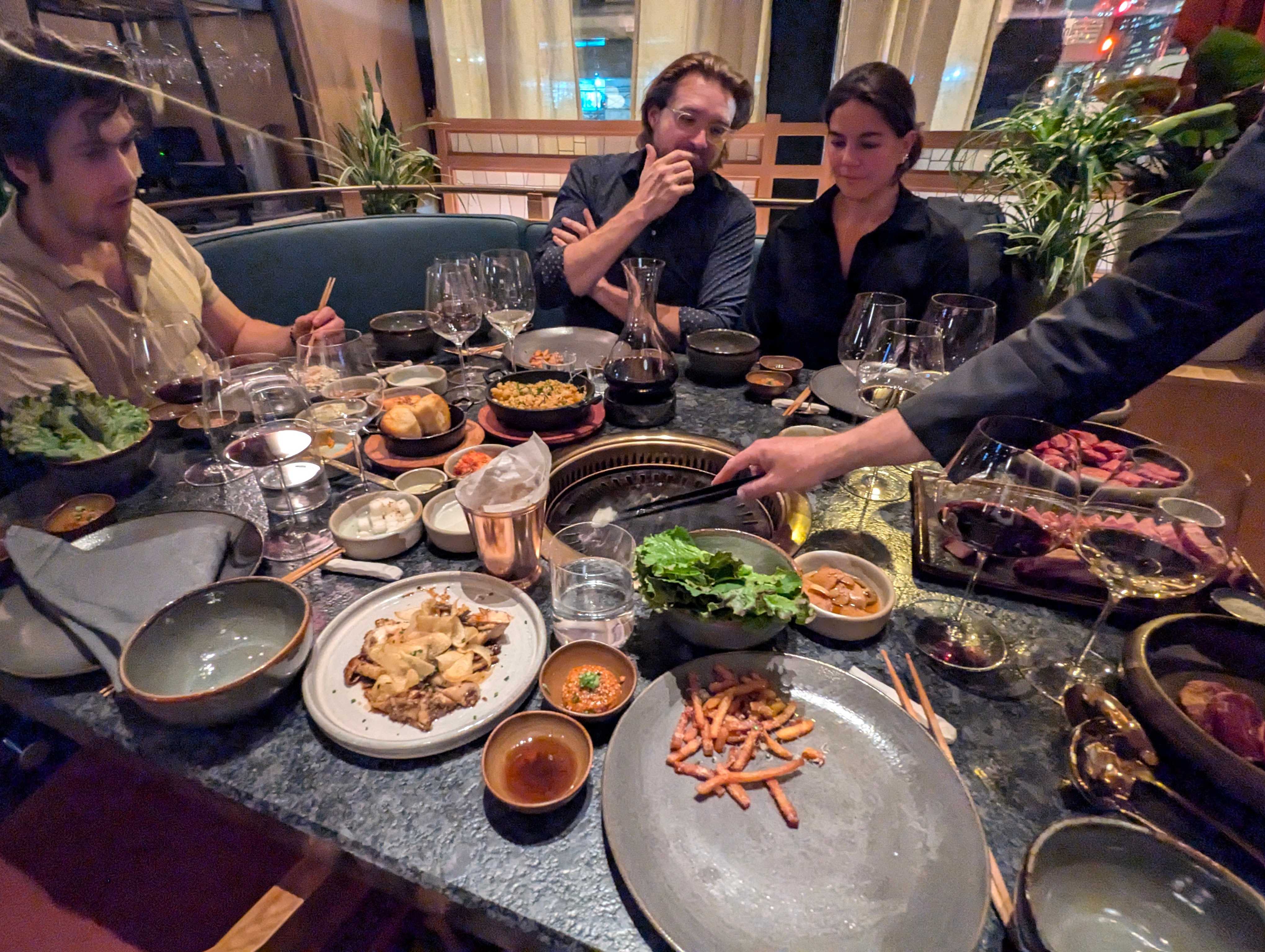
Restaurants have become important social spaces where people connect and share experiences. The design of dining areas often encourages interaction, whether through communal seating or open layouts.
This focus on social engagement changes how we enjoy food. It becomes part of a shared experience rather than an individual activity, strengthening relationships and creating lasting memories.
Expanding Flavour Exploration
Another way restaurants are transforming dining is by encouraging guests to explore new flavours. By introducing diverse ingredients and unique combinations, they expand what people consider familiar.
This approach helps diners step outside their comfort zones and discover new preferences. It also contributes to a more diverse and exciting food culture.
Adapting To Lifestyle Changes
Modern lifestyles have influenced how and when people dine, and restaurants have adapted accordingly. Flexible dining hours, varied menu formats, and different service styles cater to a wide range of needs.
This adaptability ensures that dining remains accessible and relevant, regardless of changing routines or preferences.

Creating Multi-Sensory Experiences
Restaurants are increasingly focusing on engaging multiple senses. Beyond taste, they consider sound, smell, and visual elements to create a more immersive experience.
This multi-sensory approach enhances how food is perceived. It makes dining more memorable and allows guests to appreciate the effort that goes into each dish fully.
Redefining Value In Dining
The concept of value has shifted from simply portion size or price to the overall experience. Restaurants now aim to deliver a balance of quality, creativity, and atmosphere that justifies the time and cost.
Guests are more willing to invest in experiences that feel meaningful, and restaurants respond by offering more than just the plate.
Conclusion
Restaurants are transforming the way we enjoy food by focusing on creativity, personalisation, and engagement. They are redefining dining as an experience that combines flavour, atmosphere, and interaction. By adapting to modern preferences and introducing new ideas, restaurants continue to shape how people connect with food, making each meal an opportunity to explore, enjoy, and remember.