Choosing the right forestry equipment is essential for maintaining healthy landscapes, improving productivity, and ensuring safe and sustainable land management. Whether you are handling small private woodlands or managing large-scale commercial operations, the right tools make a significant difference in the quality of work and the efficiency of every task. Modern Torgersons forestry equipment offers improved capabilities, user-friendly controls, and enhanced durability, helping land managers achieve better outcomes with less effort. This guide explores how to evaluate your needs, understand equipment categories, and select machinery that aligns with your goals for long-term land care.
Understanding Your Land Management Objectives
Before selecting any type of forestry equipment, it is important to understand your specific objectives. Some professionals focus on harvesting timber while others prioritize clearing brush, managing vegetation, or improving access to remote areas. Each of these activities requires different tools, power capacities, and machine configurations. Evaluating the size of your land, the terrain, the density of vegetation, and the type of tasks you need to perform will help you narrow down your choices. When your goals are clear, it becomes easier to match them with the right equipment features.
Key Categories Of Forestry Equipment
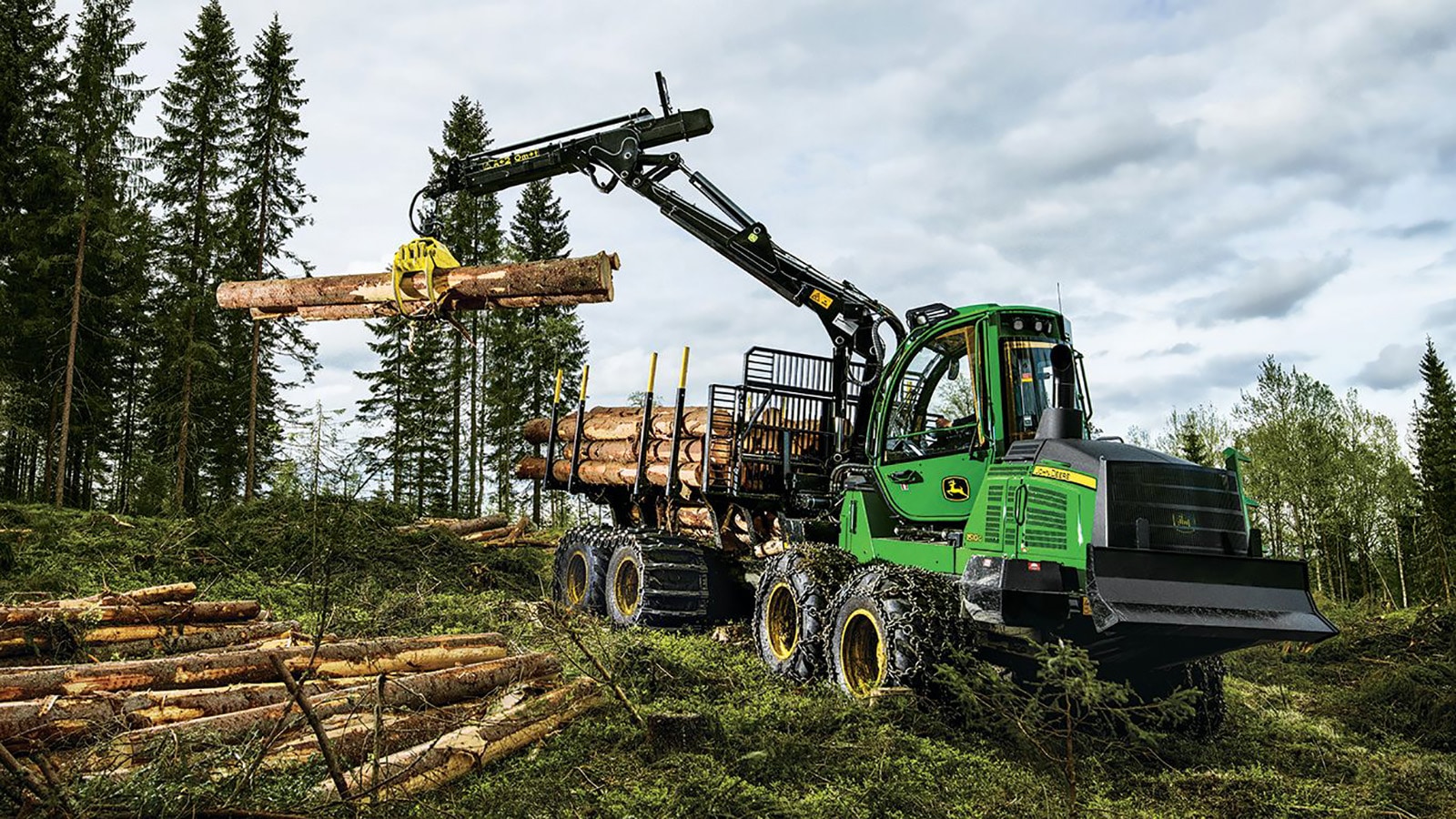
Forestry equipment comes in a wide range of machines; each designed for particular tasks. Harvesters are advanced machines used to cut and process trees efficiently. These machines offer precision, speed, and safety benefits that significantly improve wood harvesting operations. Forwarders are essential for transporting logs from the forest to landing areas without damaging the surrounding terrain. Skidders are another important category, used for pulling cut timber across rugged landscapes.
Mulchers and brush cutters are ideal for clearing thick vegetation and improving land accessibility. They help maintain trails, manage undergrowth, and prepare sites for new planting. Chippers and shredders convert branches and debris into manageable wood chips that can be used for biomass energy or landscaping. Knowing how each category works will help you select the best set of tools because each one is essential.
Evaluating Equipment Performance And Capacity
Performance is a crucial factor when selecting forestry equipment. Machines with higher horsepower can handle tougher terrain and denser material, but they may also consume more fuel. Equipment capacity should match the scale of your operations. For example, compact harvesters are ideal for smaller forests and selective thinning, while large processors are better suited for commercial logging operations.
It is also important to consider the durability and build quality of the equipment. Forestry environments are tough, and machines must withstand continuous exposure to dirt, moisture, and heavy loads. Reviewing specifications such as lift capacity, cutting diameter, and travel speed will give you a clearer idea of how well the equipment will perform under real working conditions.
Considering Terrain And Environmental Conditions
Different landscapes require different types of machinery. Steep slopes, rocky terrain, wet soil, or dense forest cover can significantly influence which equipment will be most effective. For example, tracked machines offer greater stability on uneven or muddy ground. Wheeled equipment may be more suitable for level terrain and faster mobility.
Environmental considerations are equally important. Using equipment that minimizes soil disturbance supports sustainable land management practices. Low-impact machines help protect wildlife habitats, reduce erosion, and maintain soil structure. Choosing the right equipment also supports healthier forest regeneration and helps preserve ecological balance.

Safety And Operator Comfort
Safety should always be a top priority in forestry operations. Modern equipment includes features such as reinforced cabins, advanced braking systems, and automated controls designed to protect operators. Visibility, ergonomics, and intuitive controls can significantly improve safety by reducing fatigue and preventing errors.
Operator comfort also plays a major role in efficiency. Machines with adjustable seating, climate control, and low vibration systems enable operators to work longer hours with less physical strain. When equipment is comfortable to use, productivity naturally increases and the overall quality of work improves.
Cost, Maintenance, And Long-Term Value
Since forestry equipment is a significant financial commitment, both upfront and ongoing expenditures must be taken into account. Maintenance requirements vary between machines, and choosing equipment that is easy to service can save valuable time and money. Availability of spare parts, dealer support, and warranty options are key factors to evaluate when comparing brands.
Long-term value is determined by durability, fuel efficiency, and adaptability. Equipment with versatile attachments can perform multiple tasks, reducing the need for additional machines. Investing in high-quality equipment often leads to better performance, lower repair costs, and longer service life.
Conclusion
Choosing the right forestry equipment for efficient land management involves understanding your goals, evaluating terrain conditions, and assessing performance needs. With the right tools, you can maintain healthier forests, improve productivity, and support sustainable land care practices. Well-chosen equipment not only enhances operational efficiency but also contributes to the long-term success of your land management efforts.